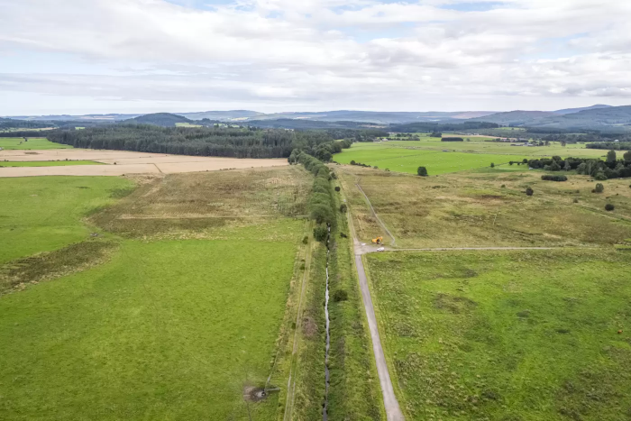
Part of the Beltie burn, a significant tributary of the Dee which runs through the village of Torphins, is the site of a large regeneration project completed in 2020 which changed the canalised river into a more natural, meandering river. The aim of the work was to improve the habitat for fish and other wildlife whilst also allowing the river to expand and contract during periods of high water.
1.5 km of river channel that was straightened in the 1860s to accommodate the Deeside railway was re-meandered into a 2-km river, with the channel being reconnected to a 10-ha wetland with four in-channel wetland ponds created and floodplain trees planted. This helps flood alleviation and water quality by slowing down peak flows and the greater habitat variability allows fish to survive during periods of extreme temperatures and floods.
With no records of salmon spawning here for at least the past 20 years and probably none since the river was straightened, in 2020, just weeks after the work was completed, 15 spawning ‘redds’ created by salmon and sea trout were seen. As the site matures, we expect more fish will take advantage of the spawning a take up residence in the reach… and then come back to spawn themselves!
The restoration was funded by the Biodiversity Challenge Fund. Lead partners on the project were Dee Catchment Partnership, Dee District Salmon Fishery Board and James Hutton Institute. Partner organisations cbec eco engineering, McIntosh Plant Hire and River Dee Trust. With funders NatureScot, Biodiversity Challenge Fund, Scottish Forestry, SEPA, DCP, Aberdeenshire Council.
Watch the video of this project here with Edwin Third from the River Dee Team – The Beltie Burn : A river restored
Copyright of Scotland the Big Picture.